The Art of Effective Communication in Everyday Life
- contato597479
- há 3 horas
- 4 min de leitura
Effective communication is a skill that can transform our personal and professional relationships. Whether you are discussing ideas with friends, negotiating a deal at work, or simply expressing your feelings, the ability to communicate clearly and effectively is essential. In this blog post, we will explore the various aspects of effective communication, its importance, and practical tips to enhance your communication skills.
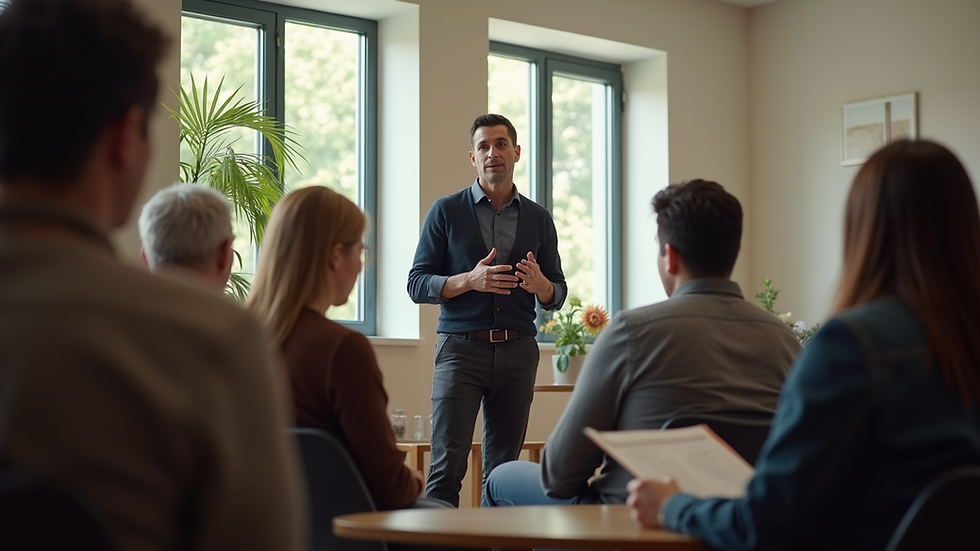
Understanding Communication
Communication is more than just exchanging words. It involves a complex interplay of verbal and non-verbal cues, emotions, and context. Here are the key components of effective communication:
Verbal Communication
This includes the words we choose and how we articulate them. The tone, pitch, and pace of our speech can significantly affect how our message is received. For example, speaking too quickly may convey nervousness, while a calm and steady tone can instill confidence.
Non-Verbal Communication
Body language, facial expressions, and gestures play a crucial role in how we communicate. Research shows that a significant portion of our communication is non-verbal. For instance, maintaining eye contact can demonstrate confidence and engagement, while crossed arms may signal defensiveness.
Active Listening
Effective communication is a two-way street. Active listening involves fully concentrating on what the other person is saying, understanding their message, and responding thoughtfully. This not only helps in building rapport but also ensures that misunderstandings are minimized.
The Importance of Effective Communication
Effective communication is vital in various aspects of life. Here are some reasons why it matters:
Building Relationships
Strong communication skills foster trust and understanding in relationships. Whether with friends, family, or colleagues, clear communication helps to express needs, resolve conflicts, and strengthen bonds.
Enhancing Collaboration
In a professional setting, effective communication is key to teamwork. When team members can share ideas openly and understand each other's perspectives, collaboration becomes more productive and enjoyable.
Improving Problem-Solving
Clear communication allows for better problem-solving. When individuals can articulate their thoughts and concerns, it becomes easier to identify solutions and make informed decisions.
Boosting Confidence
Being able to communicate effectively can boost your self-esteem. When you know you can express yourself clearly, you are more likely to engage in discussions and share your ideas.
Practical Tips for Enhancing Communication Skills
Improving your communication skills takes practice and awareness. Here are some practical tips to help you become a more effective communicator:
1. Be Clear and Concise
When conveying your message, aim for clarity. Avoid jargon and overly complex language. Instead, use simple, straightforward words that everyone can understand. For example, instead of saying, "We need to leverage our resources," you could say, "We need to use our resources wisely."
2. Practice Active Listening
To become a better communicator, you must also be a good listener. Show that you are engaged by nodding, maintaining eye contact, and providing feedback. Paraphrasing what the other person has said can also demonstrate that you are paying attention.
3. Be Mindful of Non-Verbal Cues
Pay attention to your body language and that of others. Ensure that your non-verbal signals align with your words. For instance, if you are excited about a topic, let your enthusiasm show through your gestures and facial expressions.
4. Adapt Your Communication Style
Different situations and audiences may require different communication styles. Be flexible and adjust your approach based on the context. For example, a formal presentation may require a more structured and professional tone, while a casual conversation with friends can be more relaxed and informal.
5. Seek Feedback
Ask for feedback on your communication style from trusted friends or colleagues. This can provide valuable insights into areas where you can improve. Be open to constructive criticism and use it to enhance your skills.
Overcoming Communication Barriers
Despite our best efforts, communication barriers can arise. Here are some common obstacles and how to overcome them:
Language Differences
In diverse environments, language barriers can hinder effective communication. To address this, use simple language, avoid idioms, and be patient. If necessary, consider using translation tools or services.
Emotional Barriers
Strong emotions can cloud judgment and affect communication. If you are feeling angry or upset, take a moment to calm down before engaging in a conversation. This will help you express your thoughts more clearly.
Cultural Differences
Cultural backgrounds can influence communication styles. Be aware of these differences and approach conversations with an open mind. Learning about other cultures can enhance your understanding and improve your interactions.
The Role of Technology in Communication
In today's digital age, technology plays a significant role in how we communicate. Here are some ways technology impacts communication:
Instant Messaging and Email
These tools allow for quick and efficient communication. However, they can also lead to misunderstandings due to the lack of non-verbal cues. When using these platforms, be mindful of your tone and consider using emojis or gifs to convey emotions.
Video Conferencing
Video calls have become increasingly popular, especially in remote work settings. They allow for face-to-face interaction, which can enhance communication. Ensure you have a stable internet connection and a quiet environment to minimize distractions during calls.
Social Media
Social media platforms provide a space for sharing ideas and connecting with others. However, it's essential to communicate respectfully and thoughtfully, as messages can be easily misinterpreted.
Conclusion
Effective communication is a vital skill that can enhance your personal and professional life. By understanding the components of communication, recognizing its importance, and practicing practical tips, you can become a more effective communicator. Remember, communication is not just about speaking; it involves listening, understanding, and adapting to different situations. Start implementing these strategies today, and watch your relationships and interactions flourish.


Comentários